Source Single Stage Centrifugal Submersible Pump for Industry
Explore 30 listings for the single stage centrifugal submersible pump, featuring vertical and horizontal configurations with CE certification. Compare models like AS, WQ, and LIH for industrial, agricultural, and home applications, noting capacities up to 200 L/min and heads exceeding 150m.
Key considerations
Products List



Comprehensive Sourcing Guide
Single Stage Centrifugal Submersible Pump Sourcing Guide
Buyers must first distinguish between vertical and horizontal installation requirements when selecting a single stage centrifugal submersible pump for their specific project. The observed market data indicates that while some units are designed with vertical installation characteristics, others feature a horizontal pump shaft position and horizontal split pump casing. This distinction is critical because the physical orientation dictates the foundation design, piping layout, and maintenance access points required for the installation site.
Procurement teams should also verify the intended media type, as the supply chain offers pumps specifically engineered for sewage, condensate, slurry, and circulating water applications. The observed listings highlight models with single-suction impellers suitable for clarified water, alongside others designed for non-clogging sewage handling. Understanding whether the application involves high-pressure demands or standard irrigation needs will determine the appropriate pump model, such as those labeled with specific series codes like AS or WQ, to ensure operational compatibility.
Product Scope and Observed Listing Signals
The current market presents a wide price spectrum ranging from 28 to 50,000 USD, reflecting significant variations in material quality, motor power, and manufacturing complexity. Buyers should interpret this broad range as an indicator that unit costs are heavily dependent on specific customization requests and the inclusion of advanced features like mechanical seal packaging or specialized wood box protection. A lower price point may correspond to standard configurations, while higher values often reflect custom engineering or specialized industrial-grade components.
Minimum Order Quantities (MOQ) observed in the market vary between one and fifty units, offering flexibility for both pilot projects and large-scale industrial deployments. This variability allows buyers to source small batches for testing or immediate replacement needs without committing to massive inventory volumes. However, the flexibility in MOQ should not be confused with flexibility in lead times or production capacity, as the actual delivery schedule depends heavily on the specific supplier's current workload and the complexity of the requested pump configuration.
Technical Specifications to Verify
Engineers must rigorously validate the impeller design, as the market data shows a mix of closed, open, and single-stage configurations that perform differently under varying load conditions. Closed impellers are typically preferred for clean water applications to maximize efficiency, whereas open impellers are often selected for handling slurries or sewage where clogging is a primary concern. Verifying the specific impeller type against the fluid characteristics is essential to prevent premature wear and ensure the pump maintains its rated performance over its operational lifespan.
Capacity and head requirements must be cross-referenced with the observed specifications, which include maximum heads exceeding 150 meters and capacities ranging from 100 to over 400 liters per minute. Buyers need to confirm that the selected pump's maximum head aligns with the system's total dynamic head to avoid cavitation or insufficient flow. Additionally, the working pressure classification, noted as high-pressure in some listings, must be matched against the system's pressure rating to ensure the pump casing and seals can withstand the operational stresses without failure.
Compliance and Safety Documentation
Safety compliance is a primary concern, with observed listings citing CE standards as a baseline for market entry in many regions. While some suppliers may claim additional certifications like ISO 9001 or REACH, buyers should treat these as unverified claims unless accompanied by valid, current documentation from the manufacturer. The presence of a CE mark suggests adherence to European safety directives, but it does not automatically guarantee compliance with local regulations in other jurisdictions, necessitating a thorough review of the specific test reports provided.
Documentation regarding the electrical and mechanical safety of the pump is equally critical, particularly for units operating in industrial or agricultural environments. Buyers should request detailed electrical data, such as the observed 2.1A current rating, to ensure compatibility with existing power systems and to verify that the motor driving type meets the site's voltage and frequency requirements. Furthermore, the assembly type, whether it is a booster pump or a standard submersible unit, must be supported by safety manuals that outline proper installation procedures and emergency shutdown protocols.
Cost Drivers and Commercial Terms
The final cost of a single stage centrifugal submersible pump is heavily influenced by the degree of customization requested, as the market data confirms that customization is available but likely incurs additional charges. Buyers should anticipate that standard models with fixed specifications will be more cost-effective than those requiring tailored impeller geometries, unique mounting heights, or specific casing materials. The availability of customization allows for precise matching to system needs but requires a clear definition of requirements to avoid scope creep and unexpected cost overruns.
Packaging and origin logistics also play a significant role in the total landed cost, with observed options including wood boxes and mechanical seal packaging. Products originating from Shanghai, China, or other domestic Chinese locations may benefit from established shipping routes, yet the specific packaging method chosen can impact freight costs and the risk of transit damage. Buyers must factor in the cost of specialized packaging, such as wood boxes for heavy-duty units, into their budget calculations to ensure the equipment arrives in pristine condition ready for immediate installation.
Supplier Qualification and Quality Control
Supplier qualification should focus on verifying the consistency of their manufacturing processes, particularly regarding the assembly of pumps that utilize combined treatment methods or specific centrifuge technologies. Buyers should request evidence of the supplier's ability to maintain quality control across different product lines, such as those labeled with models like LIH, LIS, or S, to ensure that the specific unit ordered meets the same rigorous standards as their other offerings. Consistency in production is vital for maintaining performance reliability across multiple units in a large installation.
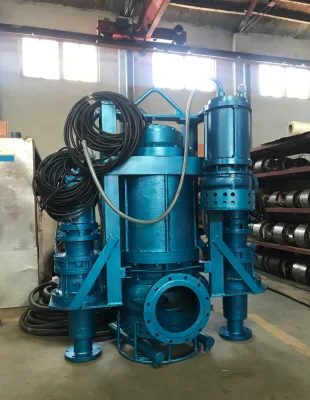
Quality control protocols must also address the specific attributes of the pump, such as the color coding, which varies between yellow and blue in the observed listings, and the specific mounting height requirements. These visual and dimensional details are often indicators of different product series or intended applications, and verifying them ensures the correct unit is delivered. Buyers should insist on pre-shipment inspections that confirm the pump's physical attributes, including the pipe diameter range of 1 to 4 inches, match the purchase order specifications exactly.
Long-Term Procurement Checks
Establishing a long-term procurement strategy requires monitoring the supplier's ability to provide consistent spare parts and technical support for the specific pump models purchased. Since the market offers a variety of models with different impeller types and casing designs, ensuring the availability of compatible spare parts like mechanical seals or specific impellers is crucial for minimizing downtime during the pump's operational life. Buyers should negotiate service level agreements that guarantee the supply of critical components for a defined period after the initial purchase.
Performance tracking over time is another essential check, as the observed data includes various performance metrics like automatic pump capabilities and electric power requirements. Buyers should implement a system to monitor actual flow rates, head pressures, and energy consumption against the manufacturer's stated specifications to detect any degradation in performance. Regular audits of the pump's condition, including checks on the motor driving type and the integrity of the horizontal split pump casing, will help identify potential issues before they lead to catastrophic failure.
FAQs
What is the main application of this single stage centrifugal submersible pump?
This pump is primarily designed for industrial, agricultural, home, and hospital sewage treatment. It features a combined treatment method and operates as a submersible unit. The yellow or blue casing supports various environments, making it suitable for clarifying water or handling slurry in diverse settings.
Can this pump handle high-pressure requirements effectively?
Yes, the pump is classified as a high-pressure unit with a maximum head exceeding 150 meters. It utilizes a closed impeller and single-stage design to maintain efficiency. The motor-driven horizontal split casing ensures reliable performance under demanding pressure conditions for various fluid handling tasks.
What specifications are available for the pump model?
Available models include AS, LIH, WQ, LIS, and S types. Specifications vary by capacity, with some units offering 100-200 L/min and others exceeding 400 L/min. Pipe diameters range from 1 to 4 inches, and calibers span 20 to 200 mm, allowing for flexible integration.
Is customization available for this single stage centrifugal submersible pump?
Customization is available to meet specific operational needs. Buyers can adjust parameters such as packing, which may include wood boxes or mechanical seal packaging. Standards like CE are supported, and the product origin is Shanghai, China, ensuring adaptable solutions for different regional requirements and technical specifications.
How is the pump shaft positioned in this design?
The pump shaft is positioned horizontally, utilizing a horizontal split pump casing design. This configuration supports the motor-driven operation and facilitates maintenance. The single-suction impeller type ensures stable flow, while the vertical installation option for centrifuges complements the overall system architecture for efficient fluid transfer.